

SUBNAUTICA2 WIKI
A Subnautica 2 encyclopedia for items, buildings, creatures, crafting routes, map planning, and verified guides.
Browse indexed game data, jump into detail pages, and connect recipes to the routes and habitats that matter for your next dive.
Core SN2 Wiki tools
Items
Resources and gear.
Buildings
Base parts and recipes.
Creatures
Fauna, threats, and habitats.
Vehicles
Tadpole, chassis, and upgrades.
Adaptations
Bioscans, biomods, and story traits.
Blueprints
Unlock rules and recipe links.
PDA
Databank entries and scan logs.
Crafting Planner
Recipe routes and totals.
Interactive Map
Routes, nodes, and danger.
Guides
Systems, lore, and updates.
169 items indexed
Item Database
Browse raw resources, refined materials, tools, and progression items. Each entry covers acquisition, crafting links, and how it fits into exploration and base building.
Titanium
Mineral ResourceTi. Element 22. Ideal for underwater construction.
Copper
Mineral ResourceCu. Element 29. Basic conductor.
Scanner
ToolCritical survival tool. Scans the world to generate databank entries and fabrication blueprints.
Survival Multitool
ToolStandard issue pioneer tool for harvesting tougher materials.
Habitat Builder
ToolFabricates habitat compartments, appliances, and external facilities from raw materials.
Fabricator
UtilityCritical survival system. Atomically restructures raw resources into useful tools and consumables.
118 buildings indexed
Building Database
Plan habitats with base pieces, power modules, fabrication stations, and utility structures. Compare recipes, classifications, and what each structure contributes to a base.
Fabricator
ProductionCreate upgrades for your vehicles and more.
Bioreactor
PowerRapidly decays organic matter and converts the biomaterial into power.
Moonpool
Base PiecesMoonpool of configurable size and shape. Allows entry/exit of personnel and vehicles from a room.
Scanner Station
ProductionMission critical. Locates resources, wrecks and anomalies within an expanded range. High power draw.
Room
Base PiecesBasic room of configurable size and shape. Accessed by corridor or hatch. Supports all systems, if powered.
Corridor
Base PiecesBasic tubular compartment. Configurable size. Accessed by hatch. Can mount basic power and survival systems.
84 creatures indexed
Creature Database
Study fauna, flora, and leviathans with habitat notes, threat levels, and behavior context so you can judge route safety before diving.
Collector Leviathan
LeviathanEnormous cephalopod predator (tentatively *Tyrannoteuthis phobocoeus*, tyrant squid of fearful curiosity). Feeds on hard-shelled, heavily defended prey. Solitary but highly intelligent. Likely a deep-sea creature. 1. Squidlike body plan The collector's body converges with Earth squid — a long mantle and several limbs attached directly to the head. The mantle is covered in plastic armor. Unlike Earth squid, the collector has four long hunting tentacles with dextrous claws. Its eight arms are small and grouped around the beak. 2. Powerful thruster Two large spiracles feed a rear-facing thruster. These spiracles are separate from the four gills openings on the head, allowing the collector to separate its breath rate from its thrust speed. Two secondary hearts pump blood from the gills to the main heart. 3. Hard prey An enormous beak (capable of tearing through plate titanium) and four dextrous tentacles tipped with sharp bioglass claws imply that the collector specializes in prying or tearing open heavily armored prey. Possible prey fauna include the coral crab and great jaw. The need to defeat armored, active prey may have evolved a curious and aggressive psychology. 4. Broadcast organ This huge, many-chambered organ is a biological phased-array sonar. Multiple 'speakers' and 'ears' allow the collector to broadcast complex multi-part pulses. Dense innervation connects this organ to the toroidal brain; patterns of bioluminescence may be direct reflections of the collector's brain activity. 5. W-shaped pupil In bright light the pupil creases into a W. This trait was present in Earth cephalopods, but its function was not determined before the Holocene collapse. 6. Abyssal gigantism Organisms from the deep sea are often very large, a phenomenon known as 'abyssal gigantism'. Assessment: hunters with varied and difficult diets are likely to be intelligent and inquisitive, and a predator's curiosity may appear to prey as arbitrary torture. Any small submersible or habitat is likely to draw the collector's interest.
Deepwing Brooder
Leviathan*Titanotagmatapterya amalthea*, the titanic wing-segmented cup of plenty. An enormous arthropod leviathan with a huge tearing beak and a payload of fatty deposits, which it uses to both feed and protect its eggs. 1. Ancient origins The brooder's ancestors, the tagmatapterya (wing-segmented ones), evolved very early in the development of Protean arthropods. Their limbs evolved into paddles, the thorax developed a deep keel, and maxillipeds beneath the mouth transformed into eyes by homeosis. Competition from fish selected for enormous size and thick armor. It is unknown if all the tagmatapterya achieved the deepwing brooder's enormous size, or even surpassed it. 2. Mysterious diet The deepwing brooder's throat is lined with traps for plankton. Filtered water through gill openings at the rear of its thoracic keel. Yet its enormous beak is suited to cracking and tearing. It is possible that the brooder opportunistically feeds on hard prey, including the fluids of titan rockbores, the shells of giant jaws, and fatbergs drifting through the lipid-rich Protean sea. 3. Fertile brooding Deepwing brooders gather layers of oil beneath their outer shell. This oil is released in droplets alongside eggs, acting as a decoy for predators.The decoy eggs do provide the ocean with a tremendous bounty of concentrated nutrients. 4. Deepfall As a strandulate, the deepwing brooder must molt. Molted exoskeletons drop to the sea floor with a lining of lipid-rich grease, providing a feast for dwellers in the hungry abyss. Assessment: egg broods provide a valuable food supply, if you can locate the true eggs — and survive the competition.
Shiver Leviathan
Leviathan"Most of the biosphere is void. A wet desert five thousand meters deep. Life at the surface has its time in the sun and then it dies. The dead snow down to the bottom to feed strange life. "But in that void is also form. Empty space actual, soaring black and silent. Silent in an ocean full of voices. The unsound after the bitten end of a scream. "They are complete. A compact with teeth: one shiver, many sharks. Males ride their mother until they leave to ride the wife. The riders reap the small prey. Mother-wife takes the main. It needs a cold, cruel will to make hunger patient. But in the desert of the water they are always hungry and always patient. "On Earth there was a place called Point Nemo, the furthest from all land. There was nothing in it. So they dropped dead satellites there. "Perhaps, at Proteus' Nemo, the ocean learned to eat what it was given. Perhaps there is a hunger in them for prey from the stars." —NoA Node GCI-ZZ-AHI1, "Sonar Dream"
Bullethead
Fauna*Panopliateuthis velos*, the armored squid dart. A swarm predator that attacks by ramming and penetrating its prey. Capable of *Caught script hook in allocated memory for command >> generate-databank "Bullethead" >> echo \memory-carve -signature=0xSEABEEF5 >> restore-databank* "I saw their eyes first. Bright yellow eyes, down the inside of the lava tube. I killed the motors and the floods, signaled Iso and Mel to grab the handholds, and held my breath. For a minute I thought we'd ride clean through. Then the current pulled the Tadpole into an outcrop and at the sound they all just—went off. Like bottle rockets. Back and forth, up and down, everywhere. One of them lodged in the port hull just aft of the canopy and I saw, very clearly, that it was a squid, completely plated in armor. They hit you tail first, hard enough to punch into titanium. Incredible. Do you think they run on compressed air? Or do they burn something? The hull alarm went off — I tried to blink the floods to confuse them — but Mel and Iso's blackboxes were already crying. The noise seemed to attract them. Apparently they like to get stuck in wounded prey and wait until you bleed to death, then go to work on your carcass. So by the time I got back to Habitat there wasn't much left of Iso and Mel for Iso and Mel to recycle." —Tsewangiin "Ruby" Anar, "When I Didn't Die"
Electric Geordie
FaunaElectric geordie (tentatively *Salpapod geordiwangi*). A relative or morph of the common geordie. Attracted to electrical current. 1. Electrotropism Electric geordies seek out live current. They can tolerate surprising amperages, making them dangerous to remove by hand or tool. Short circuits can endanger both the geordie and the electrical system. 2. Gel-filled stomachs The electric geordie’s four diverticular pouches are flooded with a hydrogel similar to the receptive mucus in ampullae of Lorenzi—an organ used to detect electrical fields. The geordie may use this gel to search for hidden prey and tasty bacterial fibers. Artificial electrical currents could present a superstimulus—an irresistible lure. 3. Electrical metabolism It is implausible, but not impossible, that the geordie has evolved to metabolise electrical current. All organic metabolism is ultimately a process of electron transport, and direct electrotrophy has been observed on storm worlds and in vacuum life. Assessment: a serious pest on electrical and communication systems. Lures may be required to manage infestation.
Bluemoon
FaunaDatabank entry coming soon.
Key Features
What makes Subnautica 2 different at launch — from co-op systems to vehicle builds and leviathan ecology.
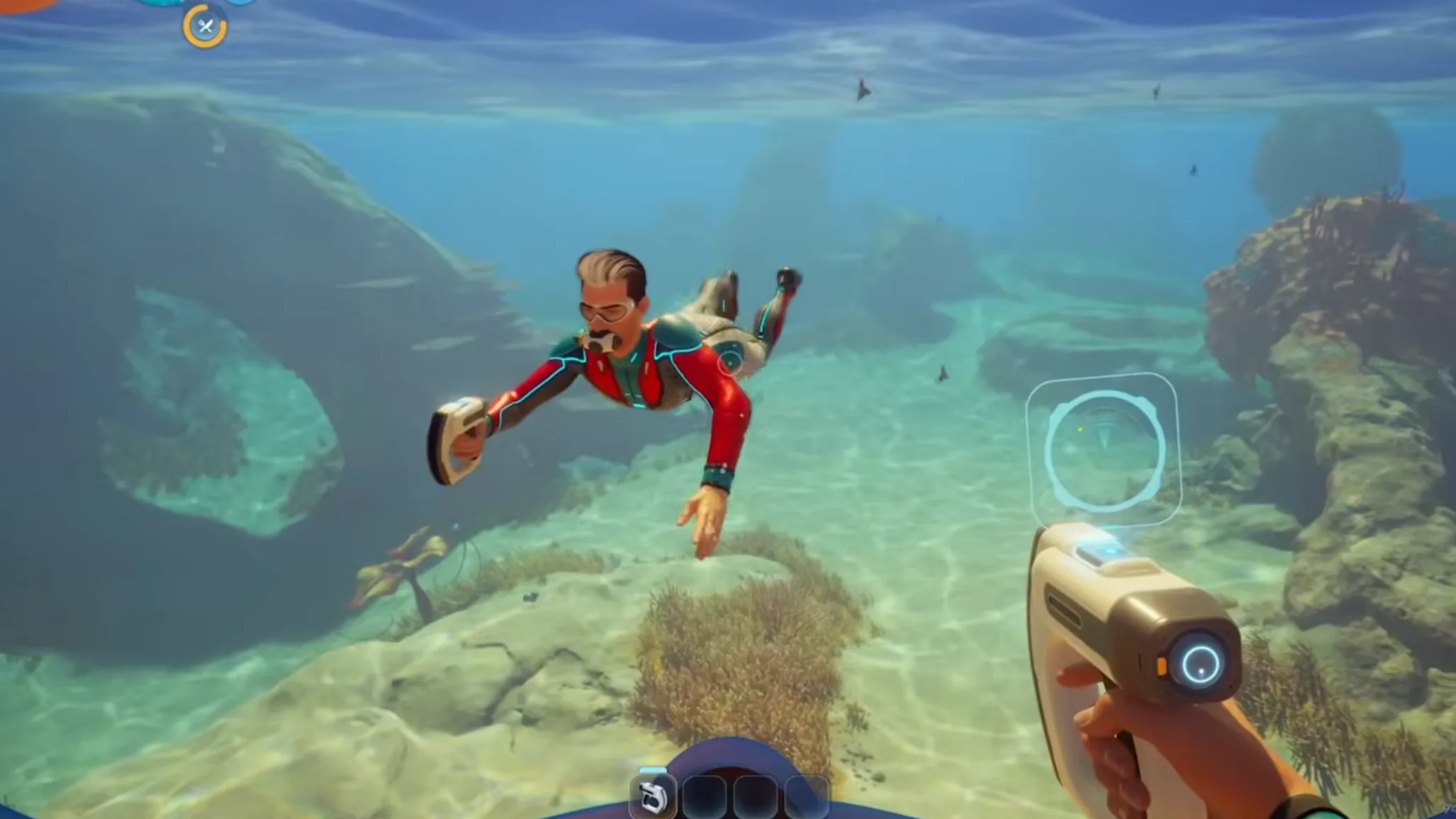
Co-op diving
Solo remains intact, but optional 1-4 player co-op and shared saves make group exploration a real launch feature.
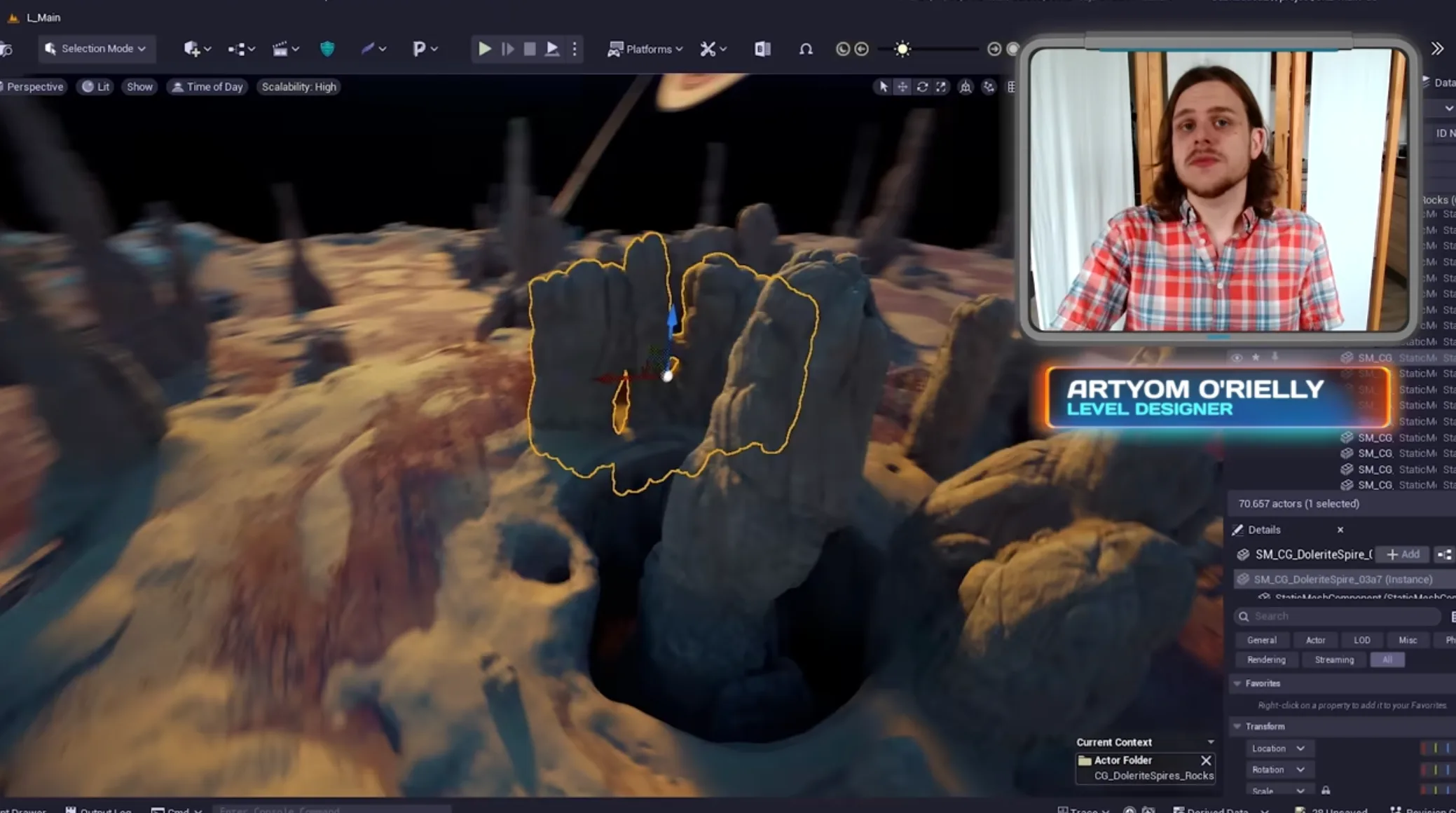
Alien DNA
Scanning, sequencing, and splicing add a new adaptation layer beyond simple crafting unlocks.
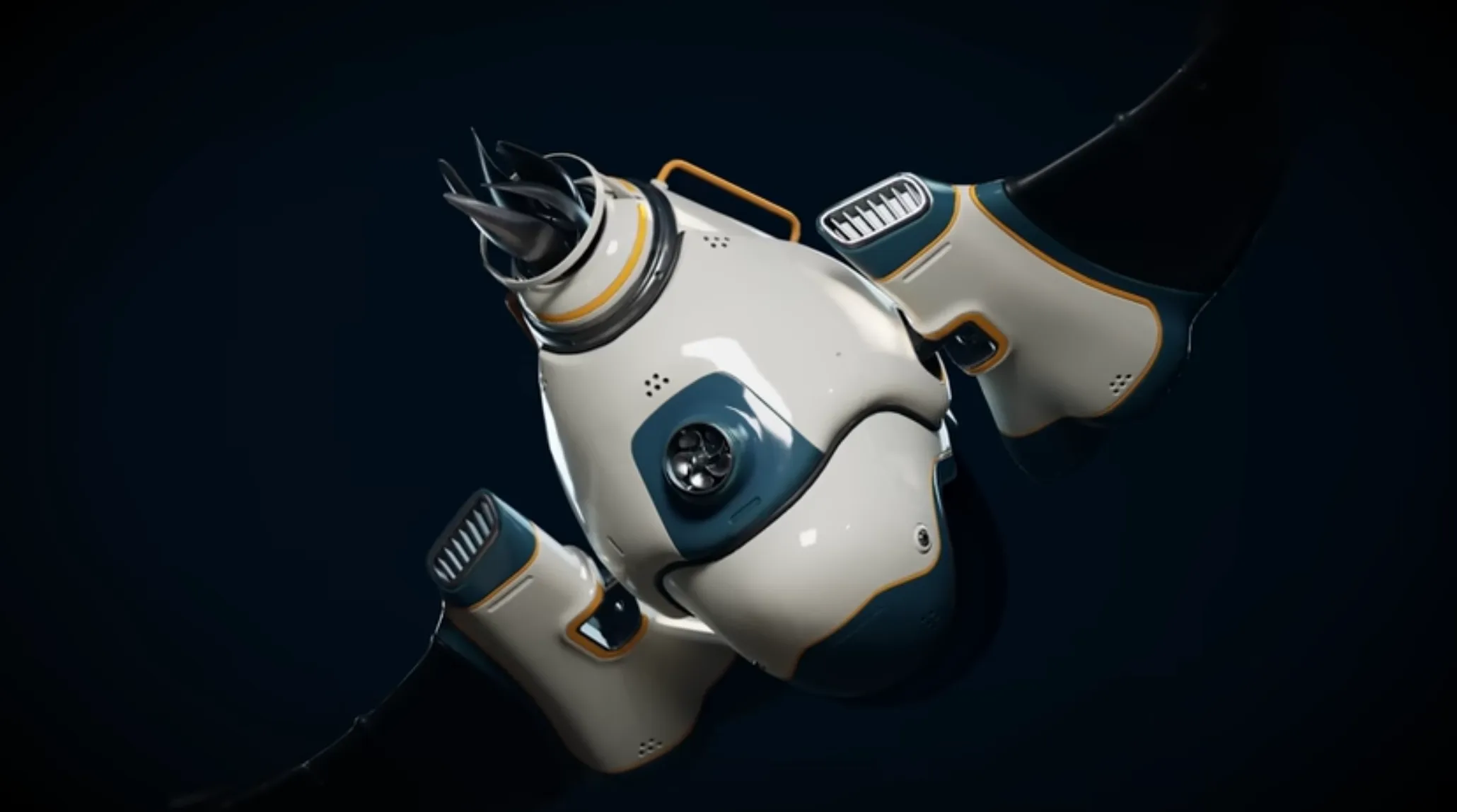
Tadpole loadouts
Scout Ray and Haul Rig give the new vehicle clearer roles, with hardpoints that change function and silhouette.
Leviathan behavior
The Collector Leviathan shows creature design built around ecosystem behavior, not just attack scripting.
View Collector LeviathanLatest Subnautica 2 Guides
Developer-log summaries, lore articles, and practical walkthroughs for systems that are not yet covered in the databases.
View all guides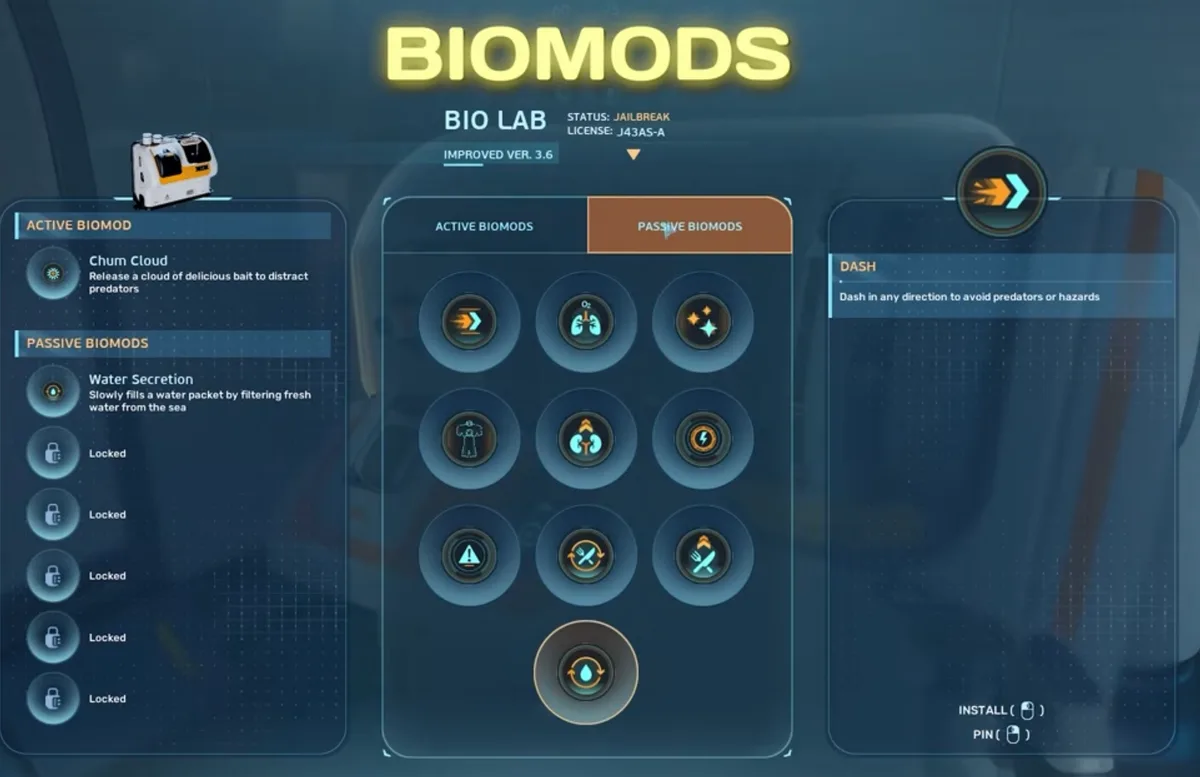
Subnautica 2 BioMods Unlock Guide: Active, Passive, and Scan Routes
Subnautica 2 BioMods unlock walkthrough covering Bio Scanner setup, all shipped active and passive biomods, donor scan requirements, and practical route priorities for early survival runs.
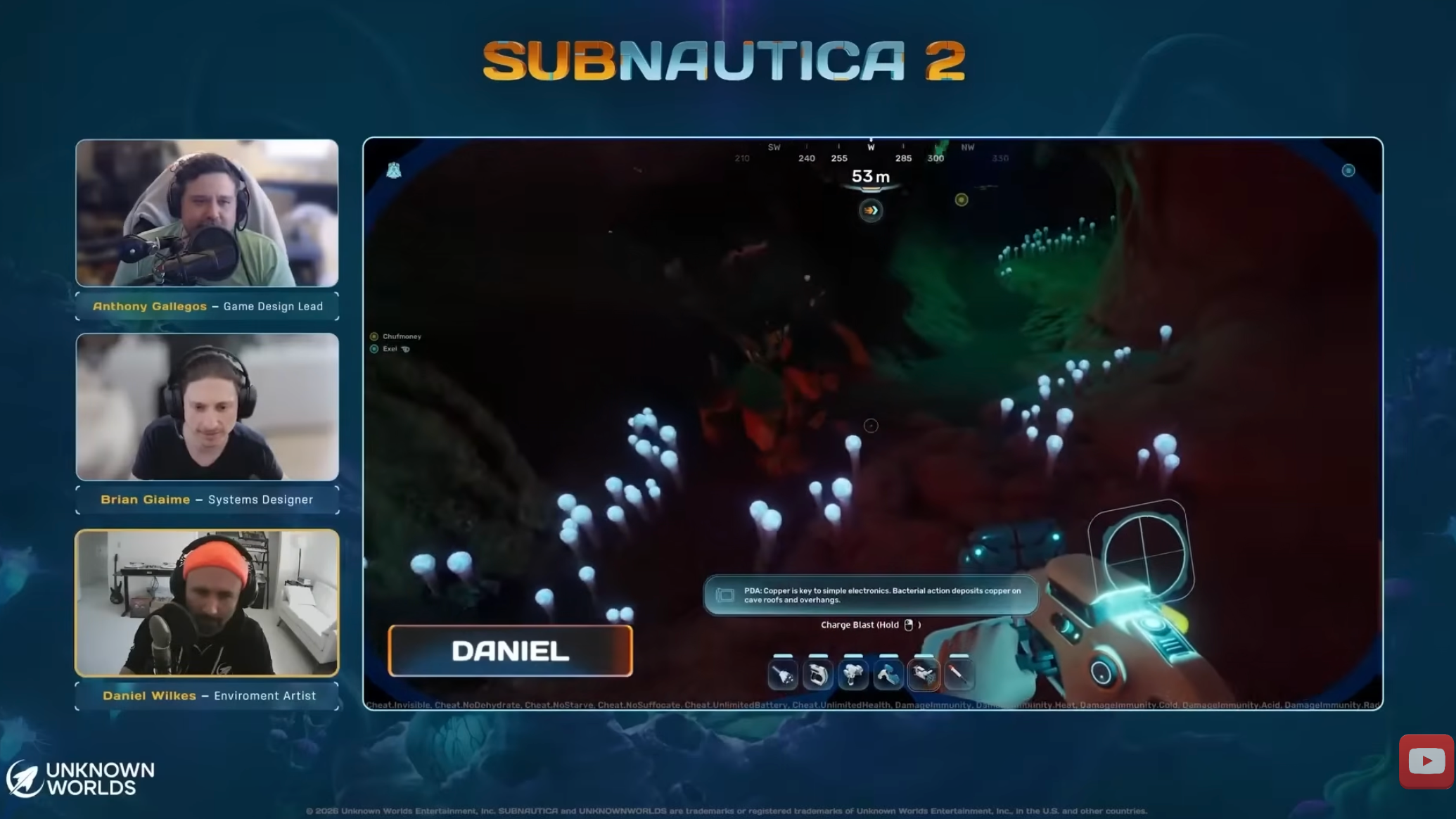
Subnautica 2 First Dive Showcase: Tadpole, Bases & Currents
This Subnautica 2 First Dive Showcase summary breaks down the Tadpole's modular chassis and hardpoints, dynamic base resizing, current-based traversal, new cave creatures, and what the showcase implies about the sequel's overall design direction.
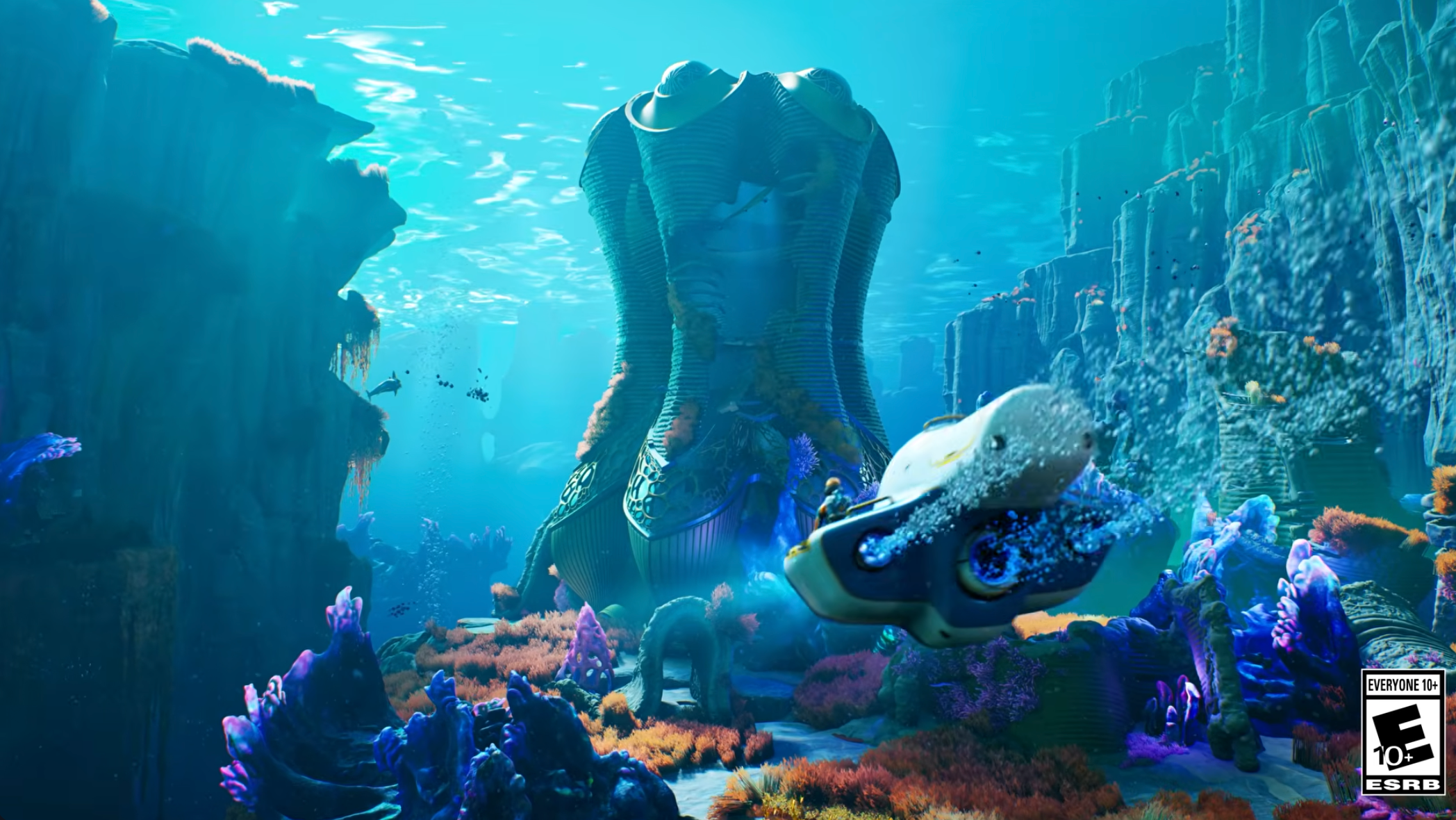
Subnautica 2: All We Know Before Early Access
A complete pre-Early Access summary of Subnautica 2, covering release date, platforms, price, co-op, world size, biomes, Leviathans, vehicles, DNA splicing, base building, story setup, and Early Access plans.
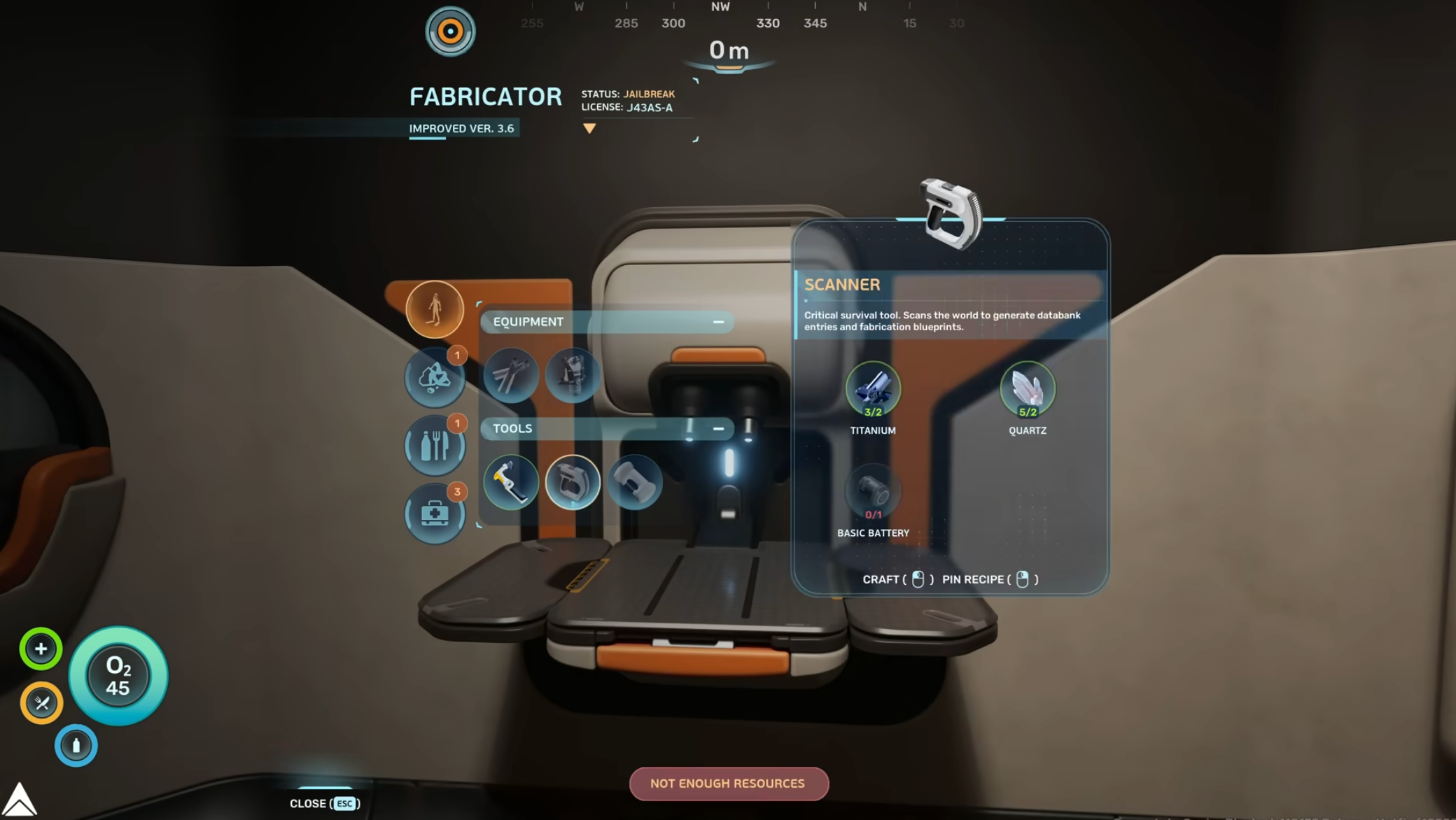
Subnautica 2 Welcome Aboard, Captains Dev Vlog Summary: Launch Scope, Price, Roadmap
A guide to the Welcome Aboard, Captains dev vlog, covering Subnautica 2's Early Access launch scope, $29.99 pricing model, at-least-two-year roadmap, handheld support, and optimization targets.