
Subnautica 2 First Dive Showcase: Tadpole, Bases & Currents
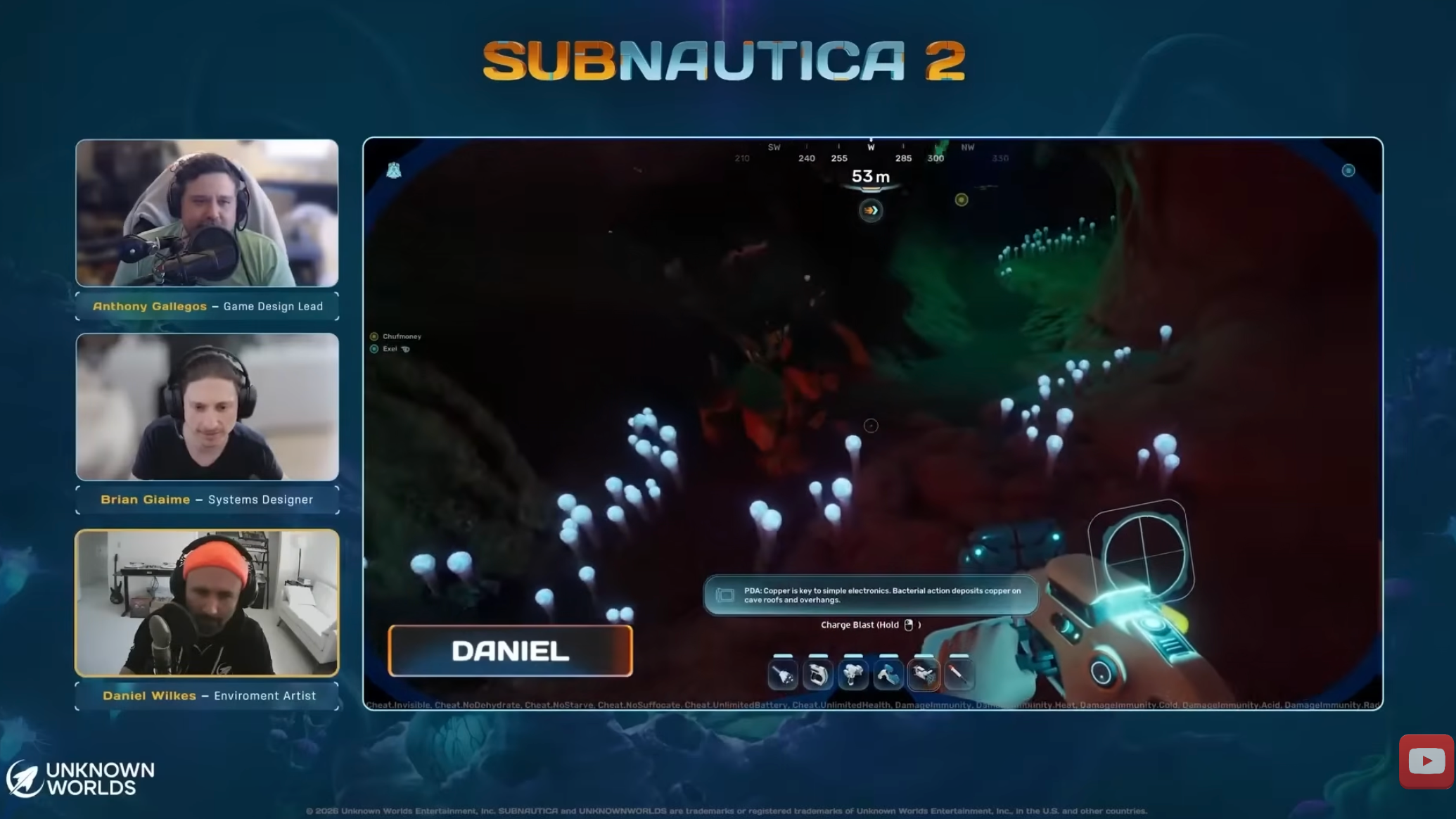
The first major Subnautica 2 showcase did more than show pretty footage. It established the sequel's design priorities in a much clearer way than the earlier reveal material. Instead of treating the game as "Subnautica again, but with co-op," the showcase pointed toward four bigger pillars: vehicle modularity, dynamic base construction, current-driven traversal, and more systemic world interaction.
This article combines the official showcase takeaways with the strongest community observations from the first analysis wave, then trims them into the parts that matter most for players tracking real game direction.
Why the first showcase matters
The most important thing in this presentation is not a single creature or building part. It is the way multiple systems now point in the same direction.
The showcase suggests that Subnautica 2 wants to:
- make vehicles more configurable instead of mostly linear upgrades
- make base building more expressive instead of grid-locked
- make movement through the world depend on environmental forces like currents
- make co-op support visible in the actual hardware and spaces players build
That is a meaningful shift. Earlier Subnautica games were strong at atmosphere and progression, but many of their major structures were still fairly fixed. The first showcase makes the sequel look much more modular.
The Tadpole is not just the Seamoth replacement
The headline vehicle reveal is the Tadpole, but the real takeaway is how much design space Unknown Worlds seems to be building around it.
Chassis swapping changes the role of the vehicle
The Tadpole is shown with different chassis concepts rather than one locked identity.
The two most important examples are:
- Wing Chassis: a faster scouting-focused configuration
- Hull Chassis: a more practical transport-focused setup with more passenger and storage utility
That matters because it implies the vehicle is not only upgraded through stat modules. Its baseline purpose can change depending on what the player wants to do.
For solo runs, a speed-oriented chassis could support fast scouting and material routing. In co-op, a heavier chassis makes much more sense for team movement, storage, and shared expedition prep.
Hardpoints make equipment visible and functional
The second Tadpole reveal is the hardpoint system. Instead of keeping upgrades abstract, the showcase shows equipment mounted directly on the vehicle exterior.
Examples discussed in the analysis include:
- work lights
- storage containers
- portable oxygen support
This is a strong design decision because it improves three things at once:
- Readability: you can tell what a vehicle is equipped for
- Role specialization: a scouting build and a support build should look different
- Co-op clarity: teammates can understand each other's setup at a glance
If Unknown Worlds follows through, the Tadpole could become one of the clearest examples of how Subnautica 2 is trying to turn utility choices into visible world objects.
Currents look like a core navigation system, not just a visual effect
One of the easiest details to underestimate in the showcase is the emphasis on water currents.
The footage and commentary imply that currents can actively pull players and vehicles, which means they are not just set dressing. They may become a genuine layer of route planning and risk.
That has several downstream effects:
- biomes can feel more mechanically distinct without needing bigger monsters everywhere
- escape, pursuit, and cave traversal can become less predictable
- base placement may matter more if travel lanes are built around current flow
- multiplayer movement can create new coordination problems and advantages
This also connects directly to one of the new buildables highlighted in the showcase: the Current Ring.
Current Rings may change how fast travel works in practice
The Current Ring stands out because it hints at infrastructure-based traversal instead of simple teleport design.
If the ring really creates artificial current lanes, then players may be able to build their own movement network across parts of the map. That is a much more "Subnautica" solution than dropping in a menu-driven fast-travel system.
It keeps travel physical, world-based, and risky, while still letting advanced players create efficient routes.
In practical terms, this could become one of the most important late-early-game tools for:
- linking base clusters
- shortening repeated farming routes
- supporting co-op logistics
- creating safer travel corridors through hostile space
New creatures reinforce the world's stranger tone
The showcase also gave a better sense of creature direction, even if not every species was deeply explained.
Two details stood out:
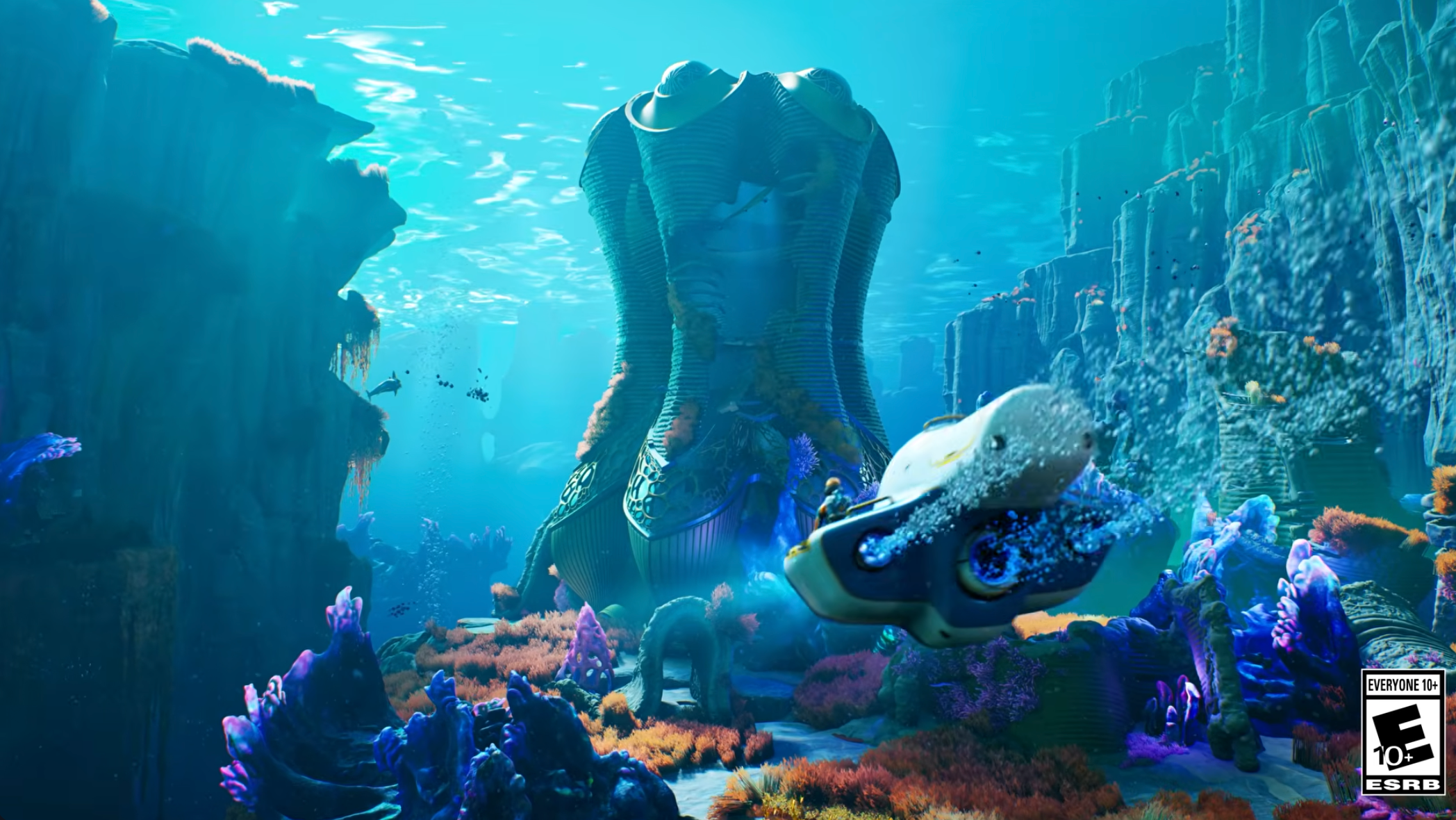
- glowing jelly-filled biome scenes, including Necrolay Jellies and related fauna
- the cave creature often described by viewers as the Jetto Cararis crab
The crab matters less because of its final name and more because of what it represents. It looks like a creature built around a specific movement gimmick rather than a generic ambient animal. That is usually a good sign for biome identity.
Taken together with current systems, these reveals suggest the world is being designed as a place with stronger local rules. Creatures, terrain, and water motion are all helping shape behavior.
Base building now looks dramatically more flexible
If the Tadpole is the mechanical star of the showcase, base building is the systems star.
The biggest change is that rooms, windows, and moonpool structures no longer appear locked to one rigid size.
Dynamic resizing is a real structural change
The footage strongly suggests players can stretch and scale key base pieces to create:
- panoramic windows
- oversized rooms
- unusual moonpool proportions
- layouts that feel more architectural and less tile-bound
This is one of the most important reveals in the whole showcase because it changes the ceiling of player expression. In older games, good bases often depended on clever layout despite structural limits. Here, the building parts themselves may support much more intentional design.
New utility spaces point to deeper progression layers
Several new stations and room concepts also matter:
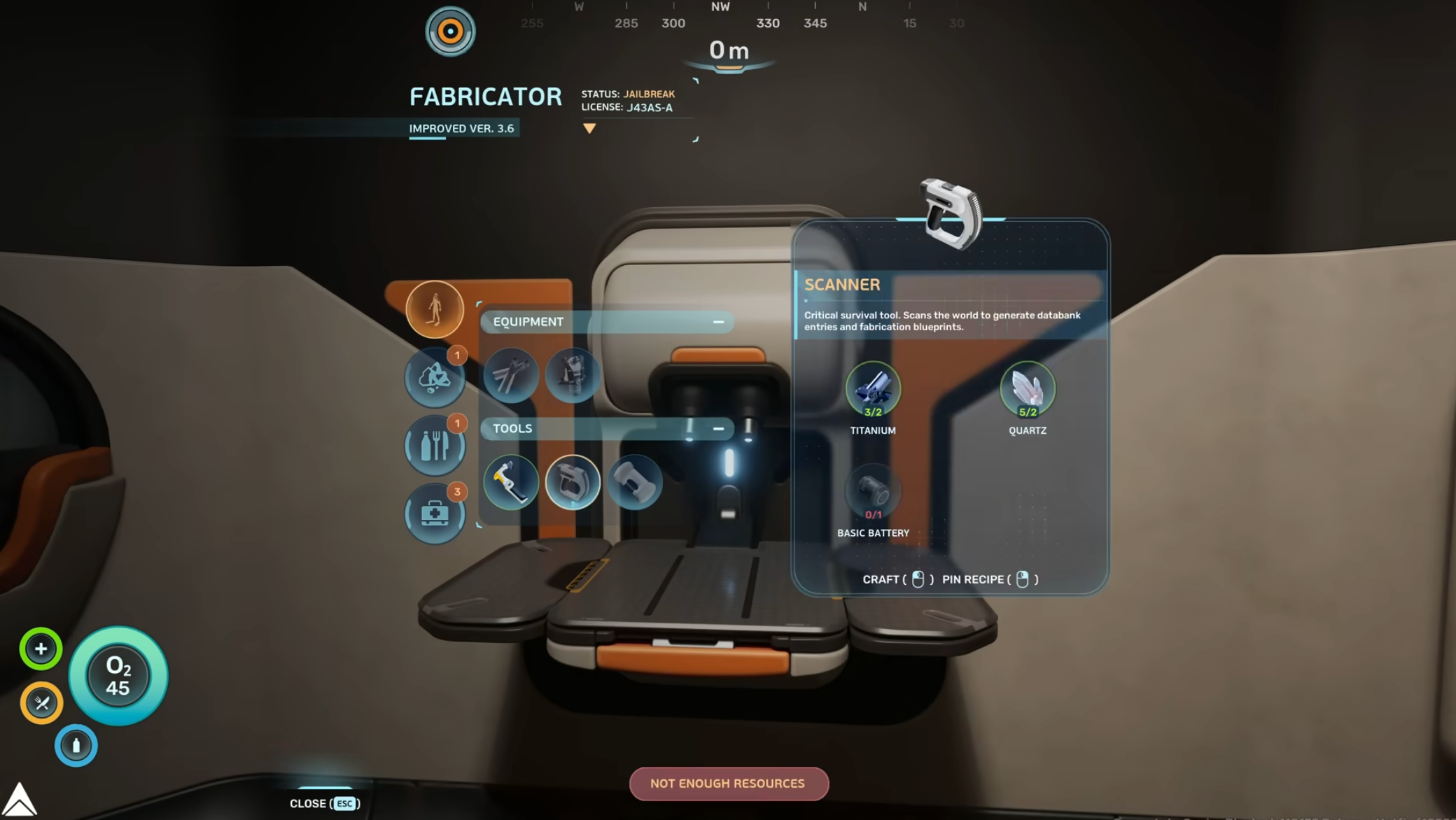
- Processor
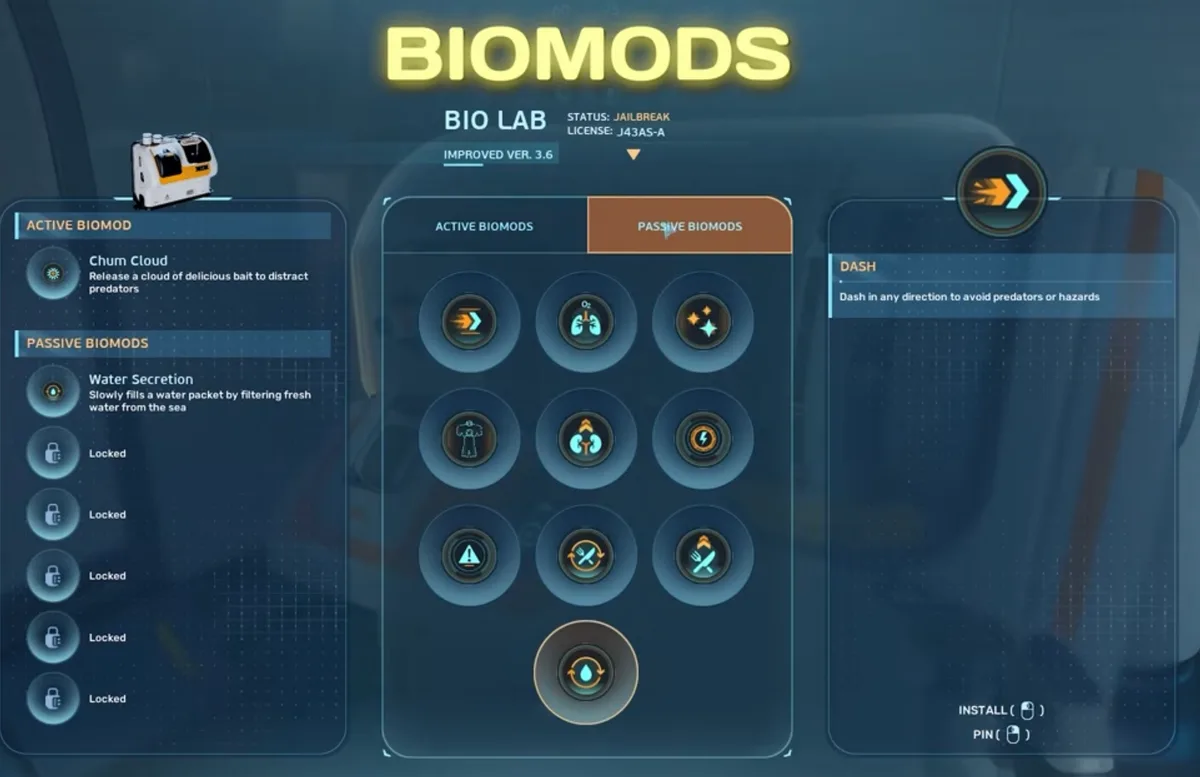
- Biolab
- current-manipulation infrastructure
- more decorative and theme-driven furniture sets
The Processor and Biolab are especially important because they suggest Subnautica 2's crafting and biology systems may be more specialized than a simple one-station progression chain.
Even without final recipes, the implication is clear: the sequel wants bases to feel more like evolving operational hubs rather than only safe storage boxes.
What the showcase implies about co-op design
The first showcase did not need to say "this is built for co-op" in every scene. The systems already suggest it.
You can see that in:
- a transport-oriented Tadpole chassis
- externally visible equipment roles
- larger, more customizable shared spaces
- infrastructure tools like Current Rings
That does not mean solo players are being pushed aside. It means the game is finally giving physical form to cooperative planning instead of layering multiplayer on top of a mostly single-player structure.
For a survival game, that is a healthier direction than simply raising player count and hoping the rest works itself out.
Early Access timing and the pre-order decoration
The showcase material summarized in the analysis also points to the same launch-period framing players were tracking around the reveal:
- Early Access begins on May 14
- buyers before May 25 receive an exclusive Reaper Leviathan statue base decoration
The decoration itself is not the important design point. What matters is that the showcase was already being used to connect gameplay reveals with launch conversion, which makes it one of the most commercially important presentations in the pre-release cycle.
Final takeaway
The first Subnautica 2 showcase matters because it turns vague sequel promise into visible systemic direction.
The core message is not just that the game has a new vehicle, bigger rooms, or more creatures. The message is that Subnautica 2 appears to be organizing survival around configurable hardware, manipulable space, route infrastructure, and more physically expressive cooperation.
If those systems survive the full Early Access rollout, this showcase may end up being the moment where the sequel's actual design identity became obvious.
Next Step: Plan The Build Sequence
If this article is guiding your next base expansion, start in the Building Database to confirm modules and recipes, break material pressure in the Crafting Planner, then verify each ingredient in the Item Database.
Related Databases And Tools
Guide articles are strongest when they connect directly to the underlying databases, planning tools, and map routes they reference.
Use items and buildings for recipe context, creatures and adaptations for scan and threat checks, blueprints and PDA for unlock/lore chains, then validate route execution in the interactive map and Crafting Planner.
Items
Track raw resources, crafted materials, and progression components.
Buildings
Review base pieces, habitat modules, and construction recipes.
Creatures
Check habitat, threat level, and traversal impact before exploring.
Vehicles
Tadpole core module, chassis options, and Vehicle Bay recipes.
Adaptations & Biomods
Bioscans, biomod slots, and story adaptations.
Blueprints
Unlock requirements and recipe-linked blueprint events.
PDA
Official databank entries, scan notes, and story logs.
Crafting Planner
Break recipes into raw materials, sub-components, and build order.
Interactive Map
Plan routes around resources, cave entrances, and danger zones.