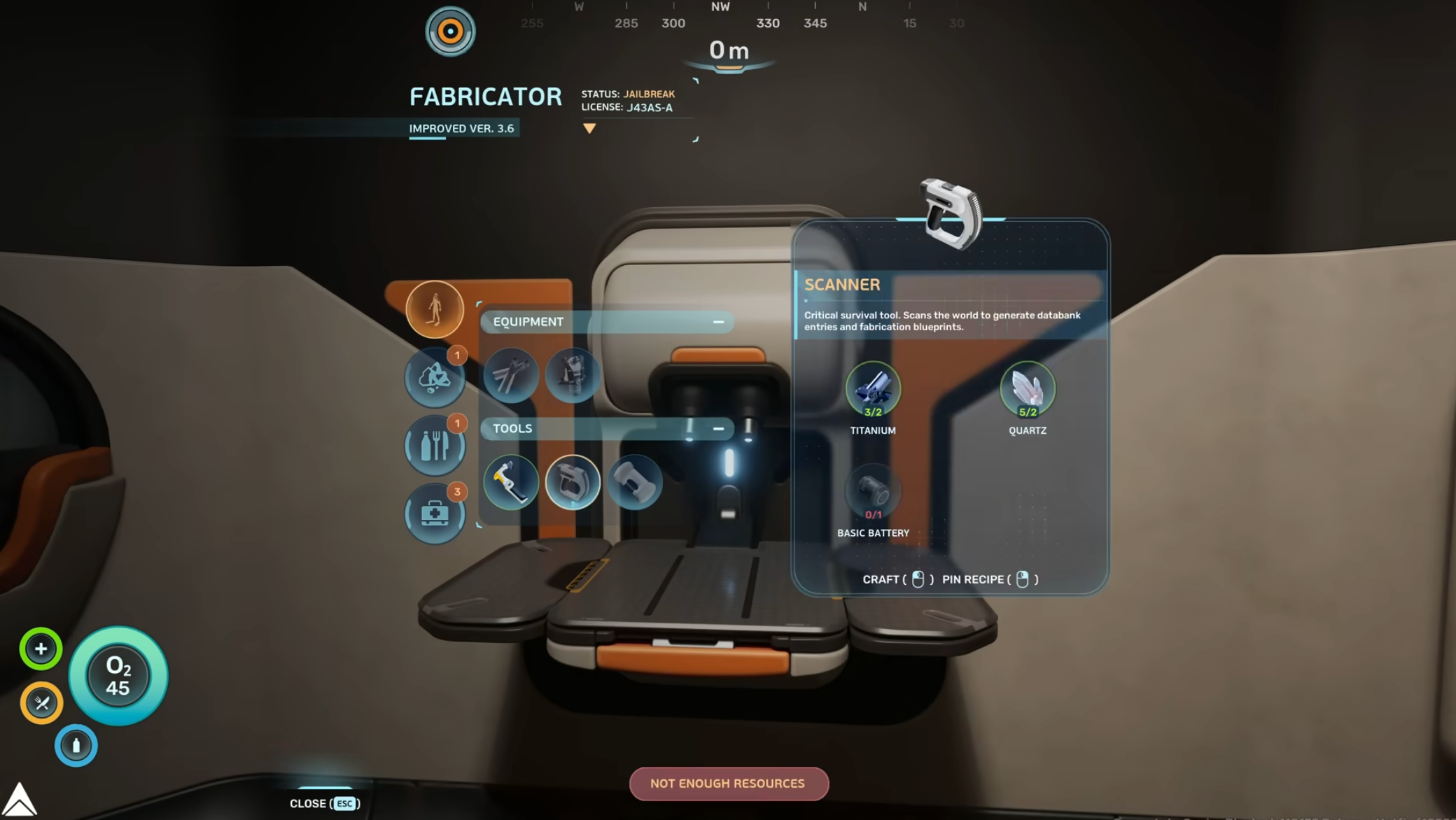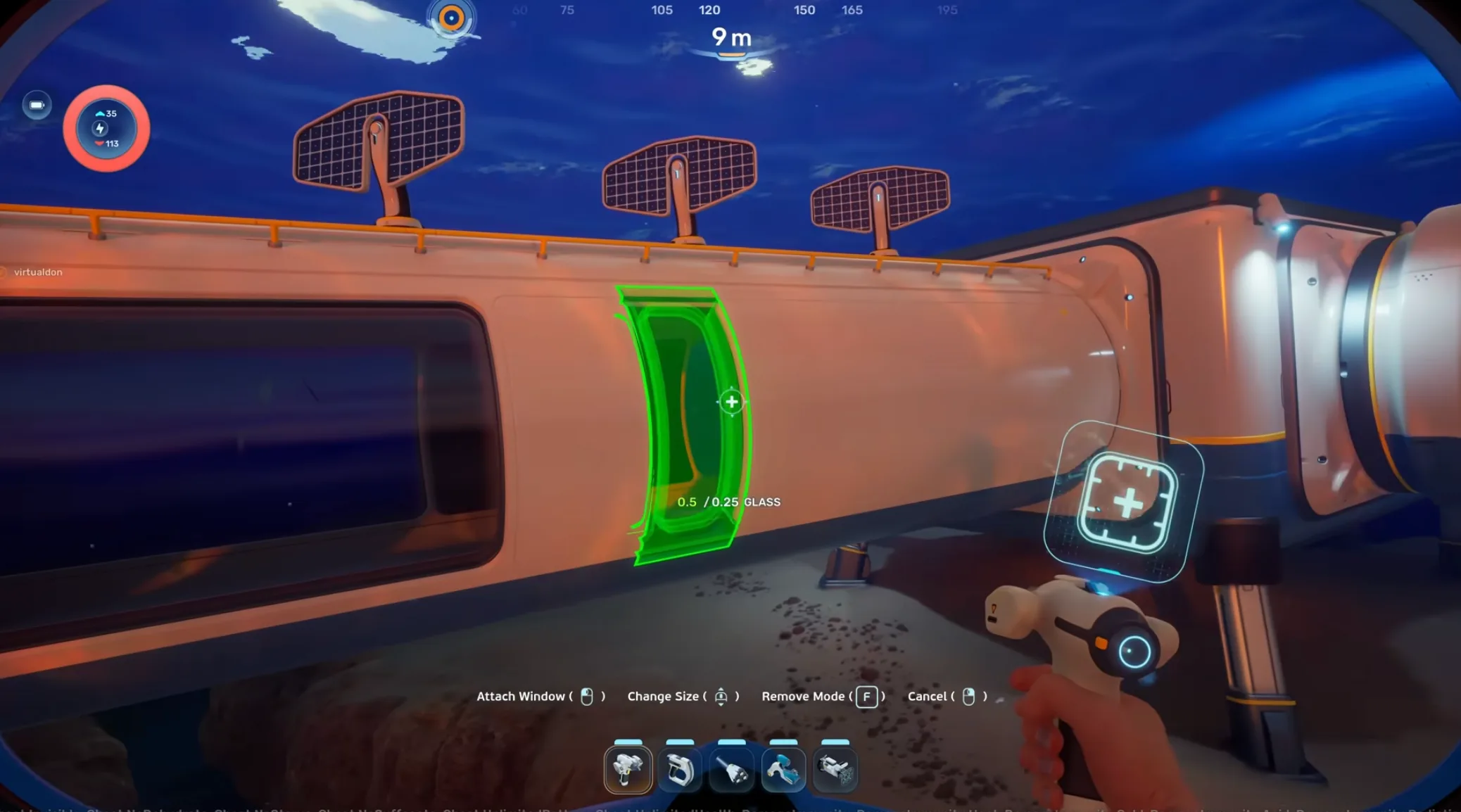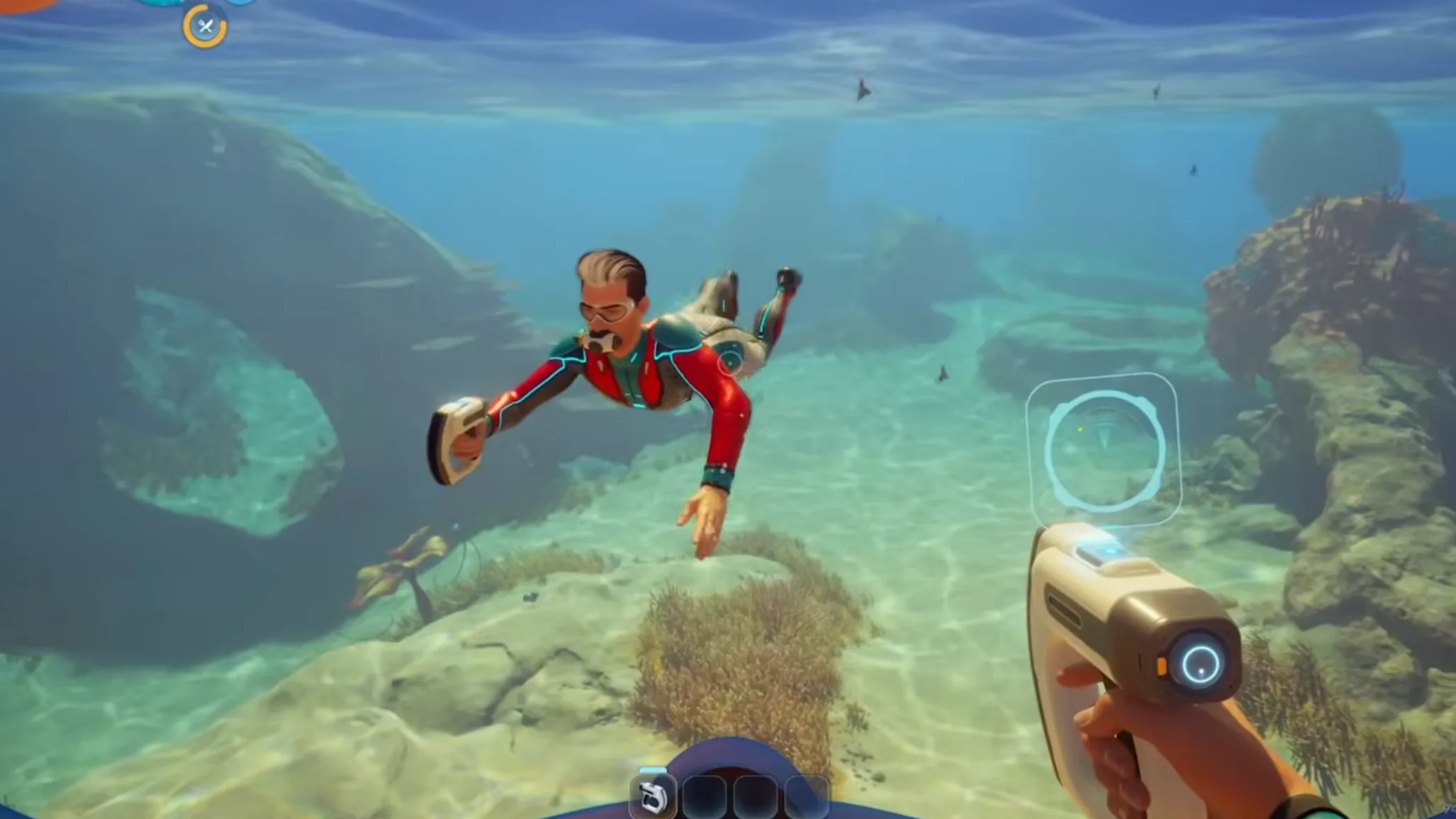

Subnautica 2 Building Unknown Worlds Dev Vlog Summary: New Planet, Alien DNA, Handcrafted Biomes
The second official Subnautica 2 developer vlog focuses on worldbuilding. It gives the clearest early look at how Unknown Worlds is constructing the sequel's alien planet, how the story connects to earlier games, and why the environment is being built as a handcrafted ecosystem instead of a generic underwater map.
Key confirmed details
- Subnautica 2 is connected to Subnautica, Below Zero, and Natural Selection.
- The new planet follows different evolutionary rules.
- Alien DNA can affect the player character.
- The world is handcrafted rather than procedurally generated.
- The team is not using voxels for this game's terrain workflow.
- Mesh Blend is used to make rocks, sand, and other environment assets connect cleanly.
- Creature and organism variants can be generated from procedural asset systems.
Story setup: alien DNA and evolution
The strongest lore detail in this vlog is the focus on an alien world where evolution works differently. The video frames alien DNA as more than background flavor: it can enter the player's biology and become part of the survivor's future.
That matters because later Subnautica 2 systems also point toward DNA sequencing and biological adaptation. For players tracking the story before Early Access, this vlog is the first major source for the sequel's evolution theme.
A handcrafted underwater world
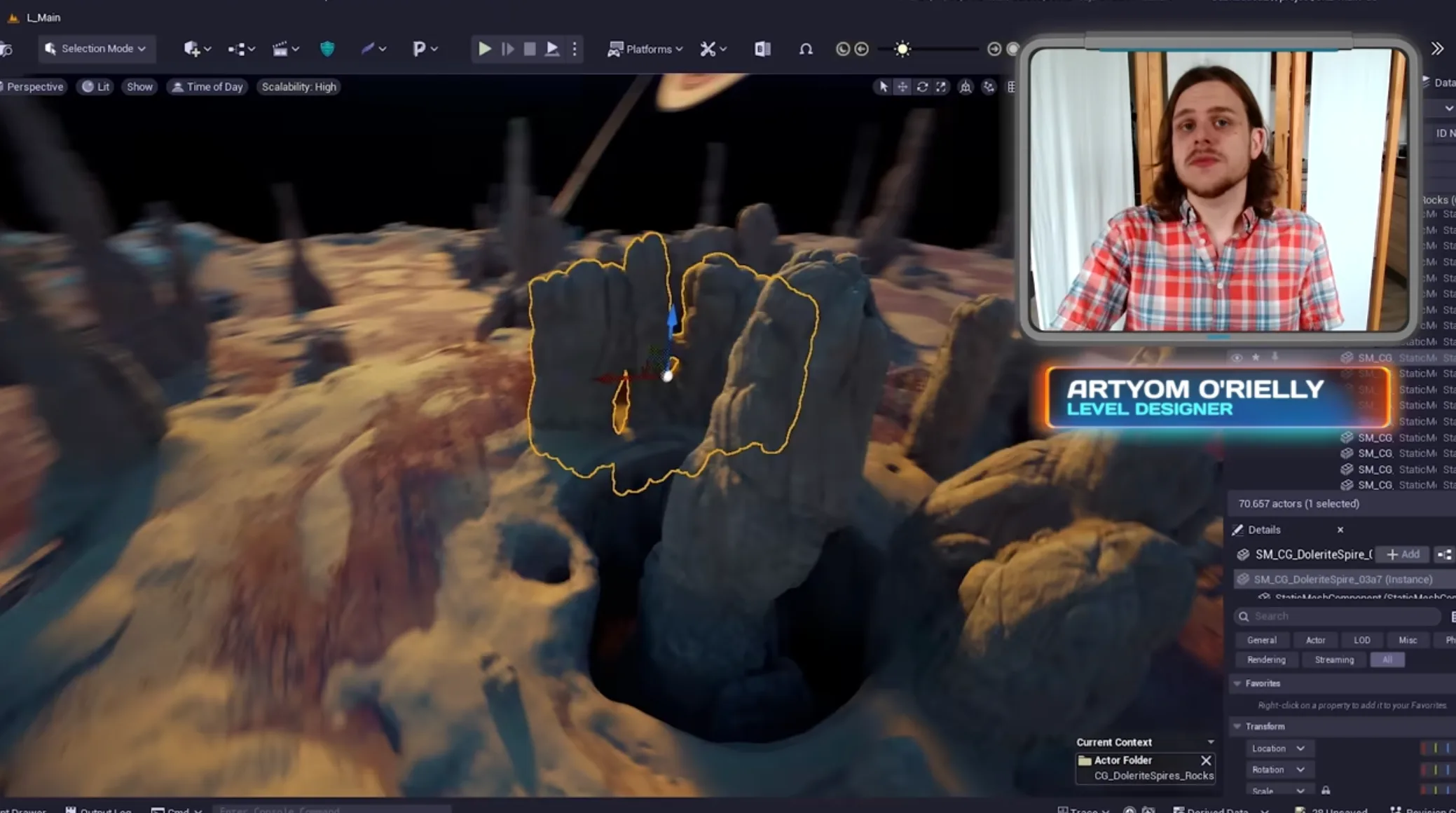
The world is not described as a procedural terrain generator. Level designers start with block-out spaces to test scale, depth, readability, and progression before the art pass adds detail.
For exploration, that suggests a more deliberate world layout. Cave routes, biome transitions, resource pressure, and creature placement can be tuned by hand instead of relying on random generation.
No voxels and the Mesh Blend workflow
The team also confirms a major technical shift: Subnautica 2 is not using voxels in the same way earlier players might expect. To handle transitions between environment pieces, the team uses Mesh Blend to make surfaces such as rocks and sand connect more naturally.
For players, the immediate takeaway is simple: terrain and building behavior may not match assumptions from earlier Subnautica games. For wiki coverage, this belongs in future pages about world design, building limits, and environmental technology.
Procedural variation for organisms
The vlog shows environment artists using procedural tools to create variations of organisms. Adjusting traits such as body shape or tendril length lets the team make related lifeforms, including juvenile-looking versions, without rebuilding every asset from scratch.
This is important for future creature pages. A single species may need entries for growth stages, variants, or related forms once the game is playable.
Naturalism over a display map
The design goal is a world that feels like a living place, not a staged set of attractions. That means the environment should guide players without looking like it was built only for player convenience.
For Subnautica 2, this is a key expectation-setting point: the sequel's world is being presented as an ecosystem first, and a progression space second.
FAQ
Is Subnautica 2 procedurally generated?
The vlog describes Subnautica 2 as a handcrafted world, with level designers blocking out spaces and refining them by hand.
Does Subnautica 2 use voxels?
The video states that the team is not using voxels for this game in the same way players may associate with earlier terrain workflows.
What does alien DNA mean in Subnautica 2?
The vlog connects alien DNA to the player character and the story's evolution theme. Later systems also point toward DNA sequencing and adaptation.
Why is Mesh Blend important?
Mesh Blend helps environment assets connect cleanly, making transitions between rocks, sand, and other surfaces look more natural.
Next Step: Plan The Build Sequence
If this article is guiding your next base expansion, start in the Building Database to confirm modules and recipes, break material pressure in the Crafting Planner, then verify each ingredient in the Item Database.
Related Databases And Tools
Guide articles are strongest when they connect directly to the underlying databases, planning tools, and map routes they reference.
Use items and buildings for recipe context, creatures and adaptations for scan and threat checks, blueprints and PDA for unlock/lore chains, then validate route execution in the interactive map and Crafting Planner.
Items
Track raw resources, crafted materials, and progression components.
Buildings
Review base pieces, habitat modules, and construction recipes.
Creatures
Check habitat, threat level, and traversal impact before exploring.
Vehicles
Tadpole core module, chassis options, and Vehicle Bay recipes.
Adaptations & Biomods
Bioscans, biomod slots, and story adaptations.
Blueprints
Unlock requirements and recipe-linked blueprint events.
PDA
Official databank entries, scan notes, and story logs.
Crafting Planner
Break recipes into raw materials, sub-components, and build order.
Interactive Map
Plan routes around resources, cave entrances, and danger zones.